
InvGate Insight
Key Info:
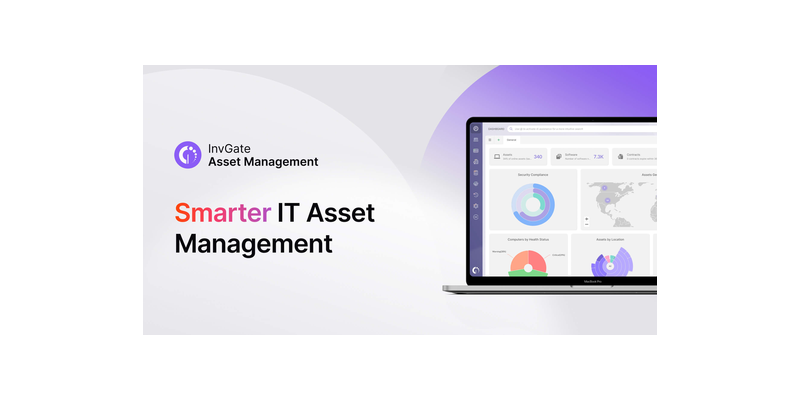

InvGate Insight is IT asset-management software for creating a central, trusted view of technology assets and their lifecycle information. It combines discovery, inventory, software and contract context, reporting and service-management connections to support IT operations, governance and decision making.
Details
A consolidated asset record
Insight is intended to combine asset data from discovery sources and other connected systems into a single working record. Teams should verify the matching rules that unite a device, user, software and contract record, especially where names and identifiers change. A proof should include duplicate devices, a reassigned employee, a missing serial number and an asset that appears from two sources with conflicting details.
Lifecycle, software and financial context
The product documents lifecycle management, software asset management, contracts and financial information alongside inventory. This can help organisations connect operational assets to renewal and governance decisions. Buyers should test which facts are imported, which can be edited and how the system distinguishes an observed item from an approved record. Check currency, ownership, date and licensing assumptions against the organisation's source systems.
Service-management connection
InvGate Insight can work alongside the vendor's service-management product and integrations. Determine whether the asset catalogue will only enrich tickets or will become a managed configuration source. Test a ticket that changes an asset, a failed synchronisation and a report that depends on both tools. Review permissions, audit logs, API coverage, data retention and the controls for AI or automated recommendations if enabled.
Evaluation record
Document the approved asset scope, identity rules, required fields, operational owners, source systems, retention, integration boundaries, test exceptions and acceptance measures. Keep fields for pricing, customer size, languages, operating systems and apps blank unless a current official source maps them precisely to the BBS field. Run a time-boxed pilot with a representative asset sample, named data stewards and a written exception log. Compare user actions, audit trail and reports against the present process. At the end, decide whether the product can support the required control model, what configuration or integration work remains, and which measurable result would justify a full rollout. Keep the pilot evidence in a decision record that another administrator can replay, including sample source files, permission settings, expected reports, failure handling, sign-off owners and the plan for migration, training and post-launch review.